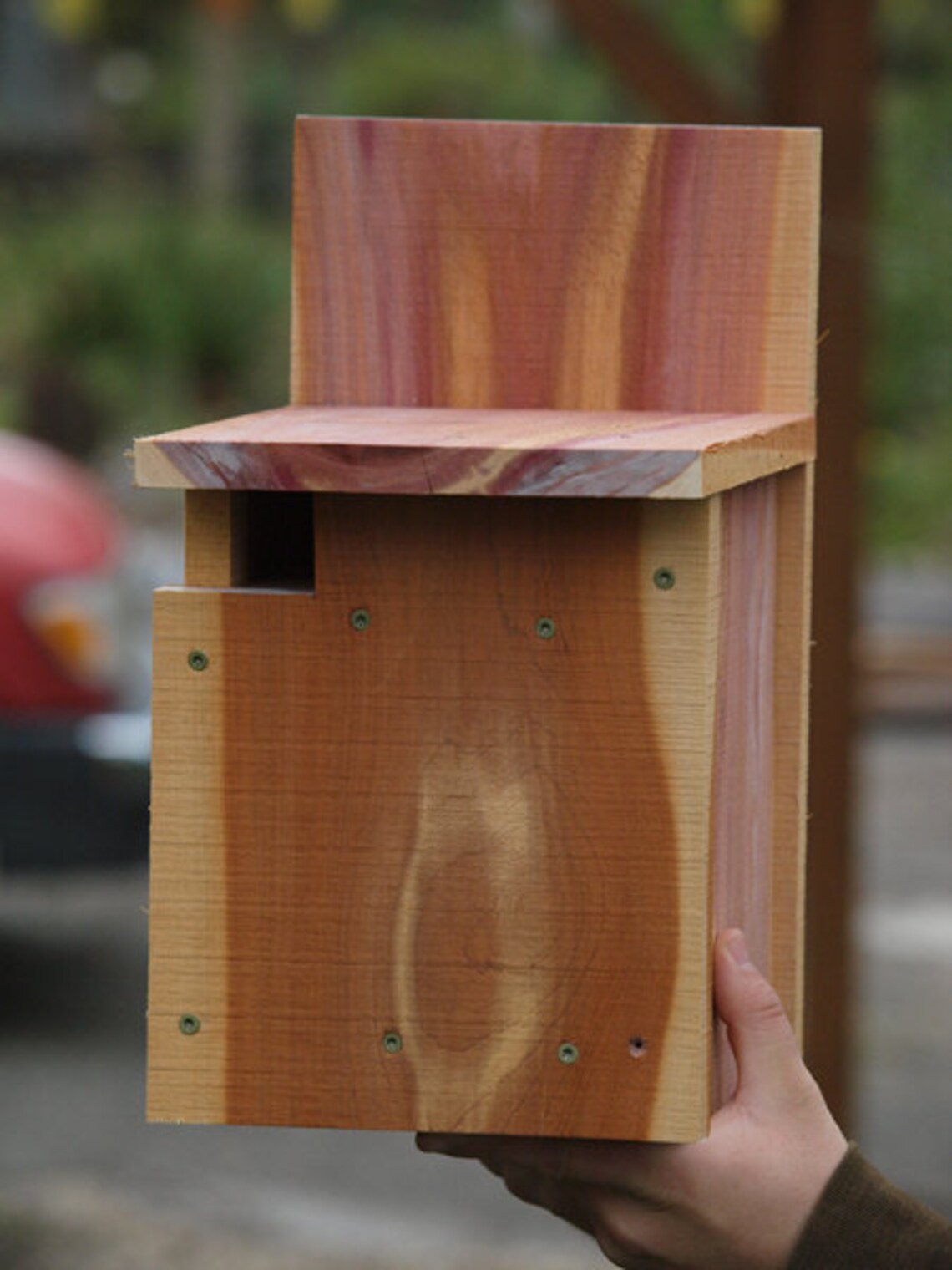
Basic Squirrel Box Plans for Small Spaces
Squirrels, with their charming antics and bushy tails, often become welcome additions to our backyards. But their playful nature can sometimes lead to mischief, especially when it comes to our gardens and bird feeders. A squirrel box, also known as a squirrel feeder or squirrel baffle, can be a helpful tool for managing their presence while providing them with a dedicated feeding area away from sensitive spots. In this guide, we'll explore various basic squirrel box plans specifically designed for smaller spaces.
Understanding Squirrel Box Basics
A squirrel box is essentially a feeder designed with features that discourage squirrels from accessing bird feeders or other areas where they are not welcome. These features typically include:
- Elevated Platforms: Squirrel boxes are often elevated to prevent squirrels from easily accessing them. This can be achieved by mounting them on poles or using specialized hangers.
- Shielded Feeders: The feeding mechanism of a squirrel box is typically designed to be difficult for squirrels to manipulate. This might involve using a cage, baffle, or other protective elements.
- Smooth Surfaces: Squirrel boxes often have smooth surfaces, particularly on the pole or hanging structure. This discourages squirrels from climbing up.
Types of Squirrel Boxes for Small Spaces
When space is limited, consider these squirrel box designs tailored for smaller areas:
1. Hanging Squirrel Baffles
Hanging baffles are a popular choice for smaller spaces. They typically consist of a cone-shaped or dome-shaped structure that is hung from the bird feeder or feeding platform. The baffle's design prevents squirrels from climbing up the feeder's pole or rope. Some common types of hanging baffles include:
- Conical Baffles: These resemble a wide, inverted cone. They effectively block squirrels from accessing feeders by making it impossible for them to climb.
- Dome Baffles: These resemble a large, dome-shaped structure. They offer a more visual appeal compared to conical baffles and provide similar protection against squirrels.
2. Platform Squirrel Feeders
Platform feeders are a simple option for feeding squirrels. They provide a flat surface where squirrels can feed, often placed on a pole or stand. While these platforms don't actively deter squirrels from other areas, they can help keep them focused on a specific feeding spot. To prevent squirrels from climbing the pole, use a smooth, slippery material like metal or plastic.
3. DIY Squirrel Boxes
Building a squirrel box from scratch offers customization and the satisfaction of creating something yourself. You can use repurposed materials like plastic containers, metal sheets, or even wood scraps. These boxes should be designed to provide a secure, comfortable space for squirrels to feed.
DIY Squirrel Box Plans
Here's a basic DIY squirrel box plan for a small space:
Materials:
- Wood board (approximately 12 inches x 12 inches)
- Metal or plastic sheet (for the baffle)
- Screws and nuts
- Wood glue
- Paint (optional)
- Pole or stand (for mounting)
Steps:
- Cut the Wood Board: Cut the wood board into a square or rectangular shape. The size will depend on how much space you have available.
- Create the Baffle: Cut the metal or plastic sheet into a circular shape that fits inside the wood board. The baffle should be large enough to prevent squirrels from easily climbing over it.
- Attach the Baffle: Secure the baffle to the center of the wood board using screws or nuts. You can also glue the baffle to the board for additional stability.
- Add a Feeding Platform: You can add a smaller platform on top of the baffle, if desired, to provide a feeding surface for the squirrels. Use wood scraps or a small metal sheet for this.
- Paint the Box (Optional): Paint the wood board with a weather-resistant paint for protection and a more aesthetically pleasing appearance.
- Mount the Box: Mount the box on a sturdy pole or stand using appropriate hardware. Choose a location that is away from bird feeders and other areas where you want to keep squirrels out.
Tips for Using Squirrel Boxes
- Location: Choose a location that is easily accessible to squirrels but far away from areas where you don't want them to be.
- Filling the Box: Fill the squirrel box with a variety of squirrel-friendly foods such as nuts, seeds, fruits, and vegetables. Avoid using processed foods as they can be harmful to squirrels.
- Cleaning and Maintenance: Clean the squirrel box regularly to prevent the buildup of debris and mold. Replace the food regularly to ensure freshness.
- Monitor for Squirrels: Monitor the squirrel box to see if squirrels are using it. If they are not, adjust the location or food offerings.
- Be Patient: It may take some time for squirrels to become accustomed to the new feeder, so be patient and persistent.
Conclusion
Building a squirrel box for small spaces can be a simple and effective way to manage squirrels while providing them with a dedicated feeding area. By understanding the basic principles of squirrel box design and choosing a plan that suits your space, you can create a practical and welcoming solution for these bushy-tailed visitors. Remember to be patient, monitor the box regularly, and adapt your approach as needed to ensure a harmonious coexistence with these delightful creatures.


0 comments:
Post a Comment